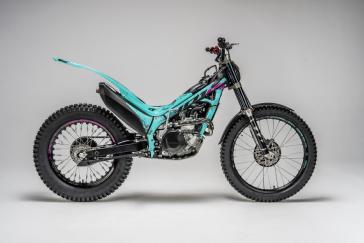
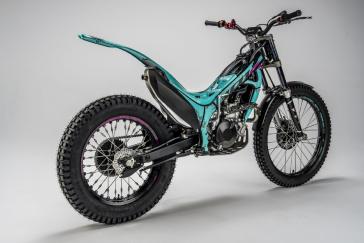
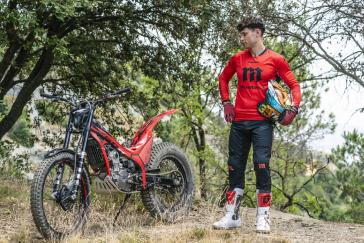
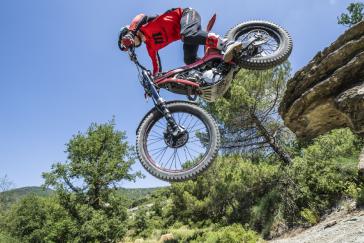
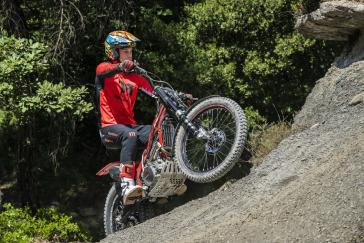
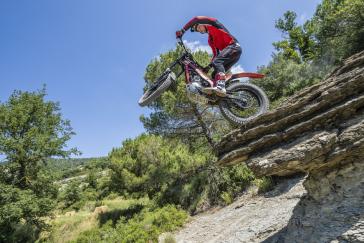
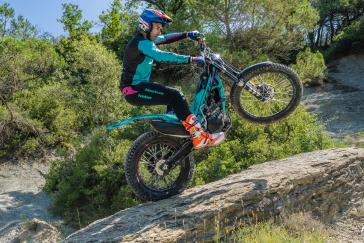
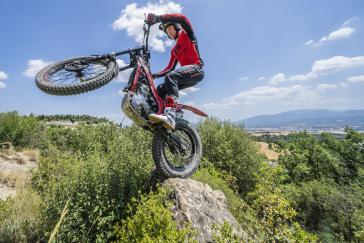
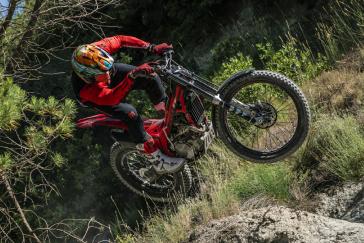
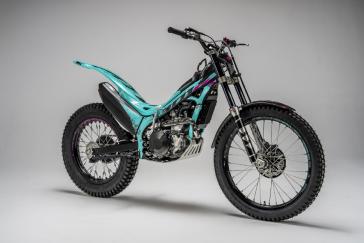
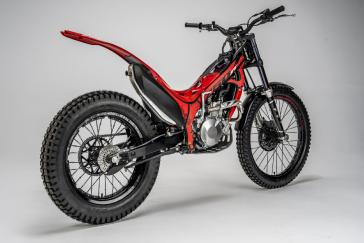
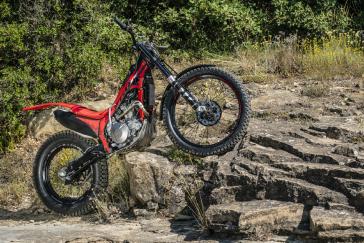
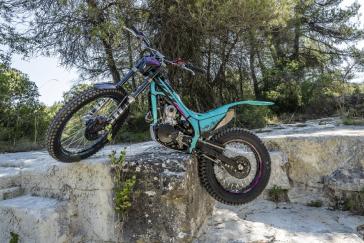
Developed and refined through years of elite competition, including substantial input from perennial FIM World Champion Toni Bou, the Montesa Cota platform continues to set the benchmark in trials performance. The precision-focused Cota 4RT 301RR represents the pinnacle for riders tackling the most demanding sections, while the Cota 4RT 260R delivers a more accessible entry point with proven capability for those progressing in the sport. With lightweight construction, smooth four-stroke power and exceptional balance, both models make navigating technical terrain easier and more controlled than ever.
HISTORY
Originally formed in Barcelona, Spain, in 1944, Montesa grew to offer a diverse lineup of models. The '80s saw Honda invest in the company and then take it on as a subsidiary, narrowing the focus to trials machines. A Honda four-stroke engine was implemented into the Cota in the '90s. Through the years, that successful model has evolved from the 314R, to the 315R, to the 4RT, to the current offering, with riders like Marc Colomer, Dougie Lampkin, Takahisa Fujinami and especially Toni Bou deploying it in dominant fashion in FIM World Championship trials competition.
TRIM LEVELS
Montesa Cota 4RT 260R: The model that started a revolution in 2006 with its four-stroke engine's impressive power and torquey delivery, Montesa's Cota 4RT 260R is a great option for value-focused trials customers, while still being an extremely capable trials machine.
Montesa Cota 4RT 301RR: Montesa's most competition-focused model, the 4RT 301RR represents the pinnacle of trials performance.
DESIGN / STYLING
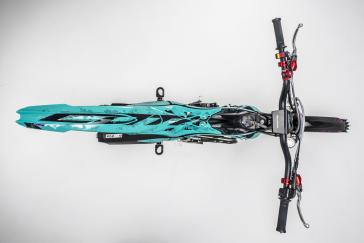
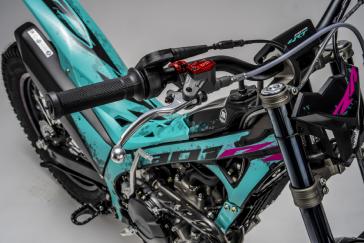
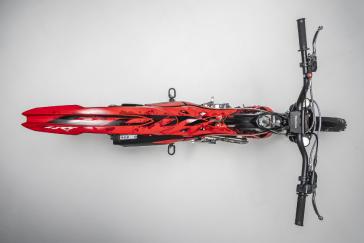
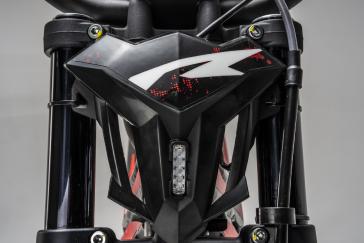
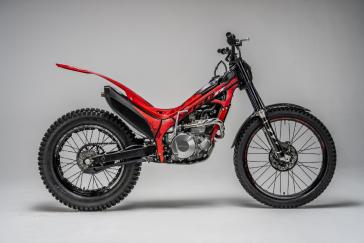
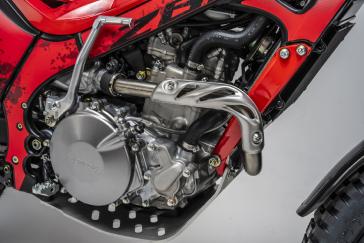
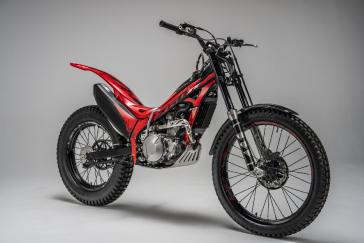
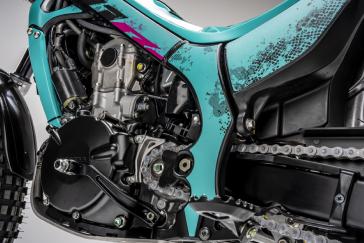
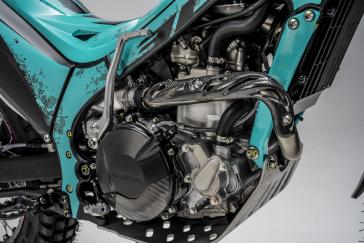
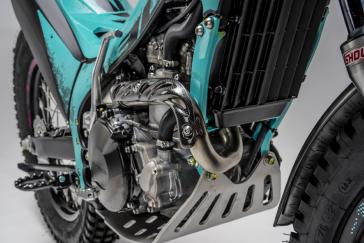
Developed with a laser focus on trials performance, the Montesa Cota 4RT 260R and 4RT 301RR both have the looks to match. Lightweight minimalism abounds, with features like a .5-gallon aluminum fuel tank and a low 26.7-inch seating area that enables the rider maximum mobility around the machine. At the same time, protection is provided for the impacts common in elite-level trials, including a plastic guard for the front-brake caliper, and a large aluminum skid plate with a rubber cushion, as well as a tough carbon-fiber clutch guard on the engine's right side. The long rear fender flares out at the end to protect the rider from mud and water in transfer sections, and an aluminum side stand simplifies parking during waits for a rider's turn to enter a section. An optional (non-road-legal) LED headlight kit adds illumination in dark conditions.
ENGINE / DRIVETRAIN
The 4RT 260R has an engine displacement of 259cc, delivered via a 78.0mm bore and a 54.2mm stroke. With bore and stroke figures of 81.5mm and 57.2mm, the 4RT 301RR has a displacement of 298cc, the maximum allowed in the FIM Trial2 World Championship. Power is biased to the low end and midrange, for the smooth, tractable delivery that is vital for maintaining traction in technical conditions, even with the sudden bursts of acceleration common in trials riding. The three-ring piston and specially designed crankshaft are designed to minimize vibration.
Both machines feature programmed electronic fuel injection for smooth running in varying conditions, and the large, lightweight aluminum muffler helps achieve maximum torque across the rev range. The decompression system features a large, 2.3mm crankcase breather tube for reduced engine braking, helping to maintain traction during deceleration on slick terrain.
CHASSIS / SUSPENSION
The aluminum frame and swingarm are designed to minimize weight, contributing to the bikes' exceptionally nimble handling. Curb weights for the 4RT 260R and 4RT 301RR are just 169.0 and 172.0 pounds, respectively, with all required fluids and a full tank of fuel.
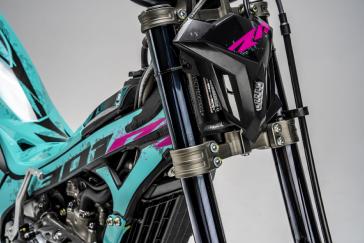
The lightweight, 39mm conventional Showa telescopic fork has adjustable compression and rebound damping, as well as adjustable preload. Front-wheel-travel figures for the 4RT 260R and 4RT 301RR are 6.9 and 7.2 inches, respectively. The Pro-Link® rear-suspension system has a single Showa shock that absorbs the gnarly obstacles typical of trials sections. Wheel travel is 6.9 inches on both bikes.
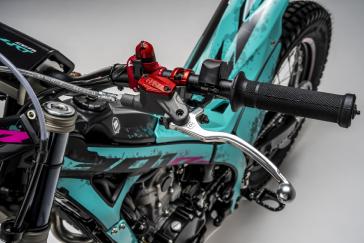
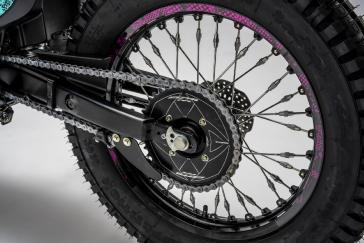
Aluminum wheel hubs minimize unsprung weight for easy steering and predictable handling. Petal-style Galfer brake rotors are used front and rear, for optimum braking power and modulation. A four-piston front caliper offers strong, predictable braking.