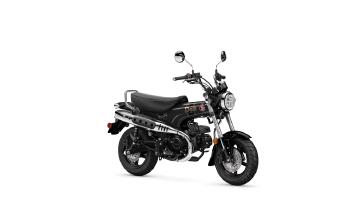
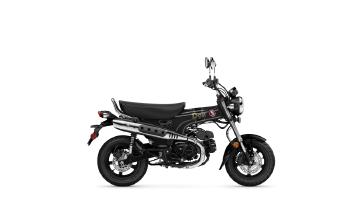
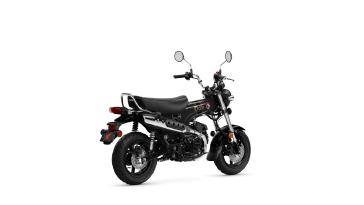
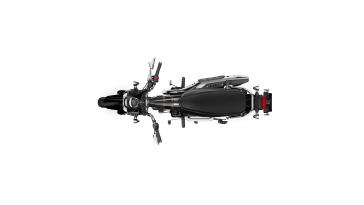
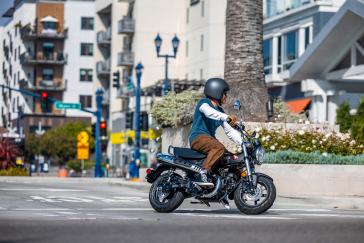
With its playful personality and unmistakable retro design, Honda's Dax 125 is a fun, easygoing machine that blends nostalgia with everyday usability. Its iconic T-shaped pressed-steel frame, chunky styling and approachable ergonomics make it instantly familiar to those who remember the original CT70, also known as the Trail 70, while newer riders appreciate its smooth 123.9cc engine, automatic centrifugal clutch and friendly handling. Equal parts playful and practical, the Dax 125 offers unique design, approachable performance and timeless Honda charm—perfect for reliving old memories or creating new ones.
HISTORY
In 1960, Idaho dealer Herb Uhl began modifying Honda's popular step-through Super Cub and selling it for use in the area's rugged mountain terrain. American Honda learned of the concept and sent an example of the updated machine to Japan, and by March of 1961, the CA100T Trail 50 was offered in the U.S. The machine was a huge hit, and the platform evolved through numerous upgrades and revisions, eventually becoming the popular CT brand.
Several CT models followed, including the 1964 CT200 Trail 90. For 1969, the CT70 Trail 70 (known in Europe as the Dax) introduced a new, chunkier look—notable for the pressed-steel "T-bone" frame, fat tires and folding handlebar—that is easily recognizable in the modern Dax.
Nifty, nimble and easy to ride, the fun little model appealed to both diehard motorcyclists and recreational users, becoming the basis for countless fond two-wheeled memories. The engine was based on that of the well-established Super Cub, but with modifications to the intake and exhaust system to provide more torque in the lower and middle rpm ranges. It featured a three-speed transmission, automatic centrifugal clutch, telescopic fork and twin shocks.
A variety of CT models have been offered over the years—some reflecting the look of the original 1961 Trail 50 and others mimicking the updated style of the 1969 Trail 70—and well over 725,000 units from the CT series were sold in the U.S. over the course of nearly three decades. The CT family disappeared from the U.S. for a lengthy period before the 2021 Honda Trail125 brought back the original CT styling, but with modern technology. In 2025, the Dax 125 reintroduced the chunkier CT design with updated features.
DESIGN / STYLING
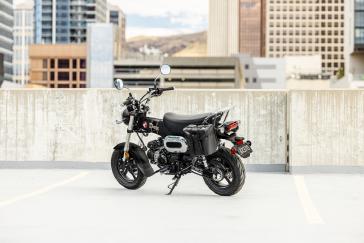
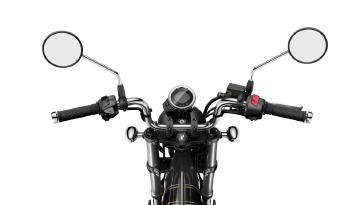
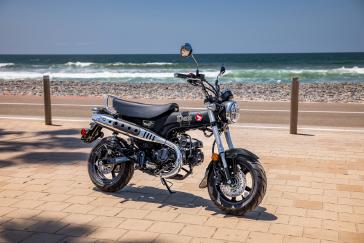
While the Dax is small, its proportions provide enough room for two adults to ride it comfortably. The focal point of the styling is the "T-bone" frame; everything is attached to it (or held within it), giving the Dax its unmistakable retro look. Also period-correct are the thick dual seat (seat height is just 30.6 inches) chrome high-set handlebar and the 1970s dirt bike-inspired upswept muffler with drilled, slotted chrome heat shield. The frame's midsection wears a black stripe with "Dax" in a quirky font, right next to the classic Honda Wing logo that marks its special heritage. A unique finishing touch comes in the form of a cartoon image of a Dachshund.
A chrome front fender sits below the evocative, circular headlight. To add extra charm to the light, signature round LEDs are used, and the front turn signals sit snugly on either side. The compact instrument display is a round, negative LCD, while the taillight and rear turn signals are also LED.
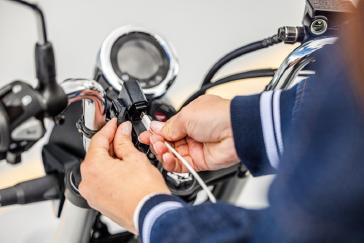
There's a neat chrome grabrail for the passenger to hold, while a cover seals the drive chain away from weather and loose clothing. A rear rack and heated grips are available as optional extras.
ENGINE / DRIVETRAIN
Sourced from the adaptable, efficient, durable Super Cub, the Dax's 123.9cc air-cooled engine features a SOHC two-valve cylinder head, with a relatively long stroke of 50.0mm matched to a 63.1mm bore. The compression ratio is 10.0:1.
The engine's performance means that even two-up, a 55mph cruising speed is achievable, with brisk acceleration from low speed—just what's needed for lively around-town amusement.
On the left-hand side of the bike, the distinctive oval air box, air filter and connecting tube ensure smooth, efficient airflow, delivering crisp throttle response and driveability. The upswept muffler and its heat shield are evocative of that golden 1970s motorcycling era. Thanks to precise ECU settings and the engine's combustion efficiency, only a single catalyzer is needed.
In keeping with the bike's laid-back, easy-to-ride nature, the gearbox is a four-speed unit (with neutral at the bottom). A centrifugal clutch means that there's no need for a clutch lever; at standstill, the rider simply selects the gear with the left foot lever. As the throttle is opened, the clutch operates automatically, as is the case through each gear-ratio change, up or down.
Various low-friction technologies, such as an offset cylinder and roller-rocker arms in the head, ensure impressive fuel economy which, along with the 1.0-gallon tank, deliver remarkable range.
CHASSIS / SUSPENSION
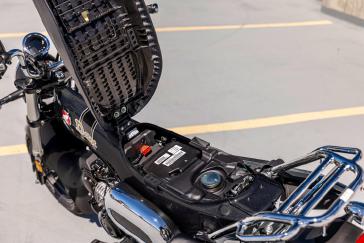
The iconic, T-shaped frame (which houses the fuel tank) is constructed from pressed steel, with modern engineering knowhow. Rake and trail are 25.0°/ 3.3 inches (84mm), and wheelbase is 47.2 inches. Curb weight is just 236 pounds (including all standard equipment, required fluids and a full tank of fuel).
A 31mm inverted fork provides supple suspension response and (combined with the wide, upswept handlebar) easy steering. Twin shocks are tuned for smooth compliance, even with a passenger aboard. Blacked-out 12-inch rims (sourced from the Grom) wear fat, balloon-like tires—a 4.7-inch-wide front and 5.1-inch-wide rear—which deliver sure-footed grip and nimble agility.
Hydraulic front and rear calipers grip 220/190mm diameter discs, respectively. Single-channel ABS manages the braking force.